
There’s a familiar scene in countless Filipino homes: a pot of sinigang gently simmering, steam rising in fragrant curls, and someone ladling hot broth over a freshly packed mound of white rice.
This simple act captures the essence of sabaw—the liquid component of a meal that ranges from clear, gingery soups to rich, sour stews. For Filipinos, sabaw is not just an accompaniment; it is the emotional and sensory anchor of the dining table.
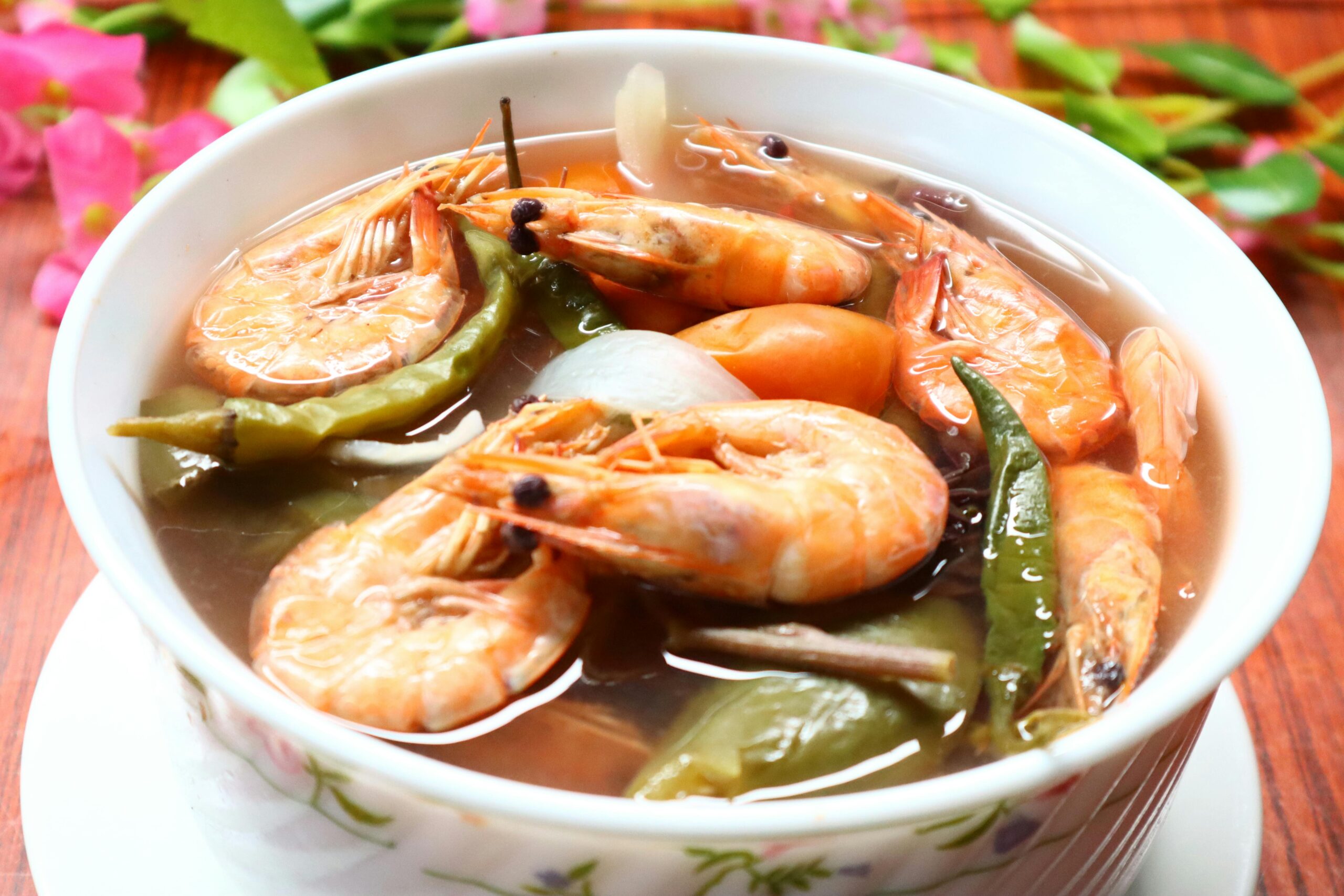
What makes sabaw so central to Filipino cooking? Part of the answer lies in geography: the Philippines is a tropical archipelago where abundant water, seafood, and leafy greens naturally shaped a cuisine built on broths and stews. But the deeper reason is cultural.
Filipino meals are rooted in salo-salo—the tradition of communal eating—and a shared pot of soup embodies warmth, generosity, and togetherness. Whether served during ordinary weekday lunches or grand fiestas, sabaw reflects the Filipino instinct to nourish both body and community.
A 2023 food behavior survey found that over 80% of Filipinos prefer meals with a “wet” component, even when dining abroad. This enduring preference shows how sabaw remains a comforting thread that ties Filipinos to home, memory, and identity.
Quick summary
| Element | Description | Example |
| Dish or Theme | Sabaw – the broth or liquid component of Filipino meals | Sinigang, Tinola, Bulalo |
| Origin | Indigenous cooking traditions shaped by tropical climate and communal dining | Pre-colonial roots with regional variations |
| Main Ingredients | Water or stock, aromatics, vegetables, protein | Ginger, onions, tomatoes, leafy greens |
| Flavor Profile | Light, sour, savory, or rich depending on dish | Refreshing, comforting, umami-forward |
| Cultural Significance | Symbol of warmth, sharing, and Filipino hospitality | Central to salo-salo culture |
Deep dive: cultural and culinary background
Long before colonial influences arrived, early Filipinos were already simmering broths using native aromatics like ginger, lemongrass, and leafy greens. These early soups were practical—easy to prepare, hydrating in a humid climate, and ideal for stretching limited protein. When Spanish, Chinese, and later American influences entered the archipelago, they layered new ingredients and techniques onto existing traditions, but the Filipino love for sabaw remained unchanged.
The evolution of sabaw reflects the Filipino ability to adapt. Dishes like sinigang—a sour stew made with tamarind, guava, or kamyas—showcase indigenous flavors, while nilaga and bulalo highlight slow-cooking methods introduced during the colonial era.
Across regions, the concept of ulam (main dish served with rice) often includes a broth-based component, reinforcing the idea that a meal feels incomplete without something warm and liquid to moisten the rice.
Culturally, sabaw is tied to family rituals. Many Filipinos recall childhood memories of parents urging them to “finish the soup” because it’s good for the body. In rural areas, a single pot of broth could feed a large household, embodying the values of bayanihan (community spirit) and resourcefulness.
According to the National Commission for Culture and the Arts, over 70% of Filipino families consider mealtime their primary form of bonding, and shared soups often sit at the center of these gatherings.
Whether enjoyed during rainy afternoons, after long workdays, or during celebrations, sabaw carries emotional weight. It is nourishment, comfort, and cultural continuity in one bowl.
Cooking process or tradition explained
While each sabaw dish has its own identity, most follow a familiar rhythm. It begins with ginisa—sautéing aromatics like onions, garlic, ginger, or tomatoes to build the flavor base. Water or stock is added next, followed by protein such as chicken, pork, beef, or fish. Vegetables come in stages: hearty ones like green papaya or radish first, leafy greens like malunggay or pechay last to preserve color and texture.
Different regions interpret sabaw through their own lens. In the Visayas, cooks often add gata (coconut milk) to create creamy, comforting broths. In Batangas, bulalo is simmered for hours to extract marrow richness.
In coastal towns, fish-based soups like tinolang isda highlight freshness and simplicity. These variations show how sabaw adapts to local ingredients and climate.
Beyond technique, sabaw is woven into Filipino celebrations. During fiestas, large cauldrons of nilaga or kansi feed entire neighborhoods. At home, a pot of tinola is often the first dish served to guests, symbolizing warmth and welcome. Even the act of reheating leftover broth the next day—when flavors deepen—is part of the Filipino culinary rhythm.
Modern evolution and global relevance
As Filipino cuisine gains international recognition, sabaw dishes are becoming global ambassadors. Restaurants in cities like Los Angeles, Toronto, and Sydney now feature elevated versions of sinigang and bulalo, often presented with modern plating but retaining their soulful essence. Filipino chefs abroad regularly highlight broth-based dishes as cornerstones of Filipino comfort food.
Interest is rising fast. Google Trends data shows a 70% increase in searches for “Filipino food” in Australia since 2022, with sinigang and bulalo among the most searched dishes. This surge reflects a growing curiosity about Filipino flavors and the global appeal of warm, hearty soups.
Modern home cooks are also adapting. Ready-made tamarind mixes, pressure cookers, and smart kitchen tools make it easier to prepare traditional broths without sacrificing authenticity. Some experiment with plant-based proteins or international vegetables, proving that sabaw continues to evolve while staying true to its roots.
Key takeaways
| Aspect | Traditional Element | Modern Adaptation |
| Ingredients | Fresh aromatics, native souring agents | Packaged mixes, global produce |
| Cooking Method | Slow simmering, manual prep | Pressure cookers, induction stoves |
| Community Aspect | Shared family meals at home | Restaurant dining, fusion menus |
FAQ segment
What makes Filipino food unique among Asian cuisines?
Filipino cuisine blends indigenous techniques with Spanish, Chinese, and American influences, creating dishes that are familiar yet distinct. The balance of sour, savory, and umami flavors—especially in sabaw—sets it apart.
Why are vinegar and soy sauce common base flavors?
These ingredients were historically used for preservation in a tropical climate. Over time, they became foundational to Filipino cooking, shaping dishes like adobo and paksiw.
Is Filipino food spicy or mild?
Most Filipino dishes are mild by default, but heat can be added through sili. This flexibility allows each diner to customize their experience.
What’s the best way for non-Filipinos to start exploring it?
Begin with approachable comfort dishes like sinigang, tinola, or arroz caldo. These showcase Filipino flavors without overwhelming the palate and highlight the warmth of Filipino dining traditions.