
Filipino eating habits are an integral part of Filipino culture, reflecting the country’s diverse history, traditions, and values. These eating habits are characterized by a unique blend of influences from indigenous, Malay, Chinese, Spanish, and American cultures, resulting in a diverse and flavorful cuisine.
How is Filipino eating habits differ from other cultures
Filipino eating habits differ from other countries’ eating habits in several ways. For example, compared to Japanese eating habits, Filipinos often use spoons and forks instead of chopsticks and do not commonly drink tea with their meals. Filipinos also have a preference for family-style dining and sharing food, while Japanese meals are often served in individual portions. Additionally, Filipino cuisine features a wide range of sauces and condiments like vinegar and soy sauce, whereas Japanese cuisine typically features soy sauce, wasabi, and other traditional condiments.
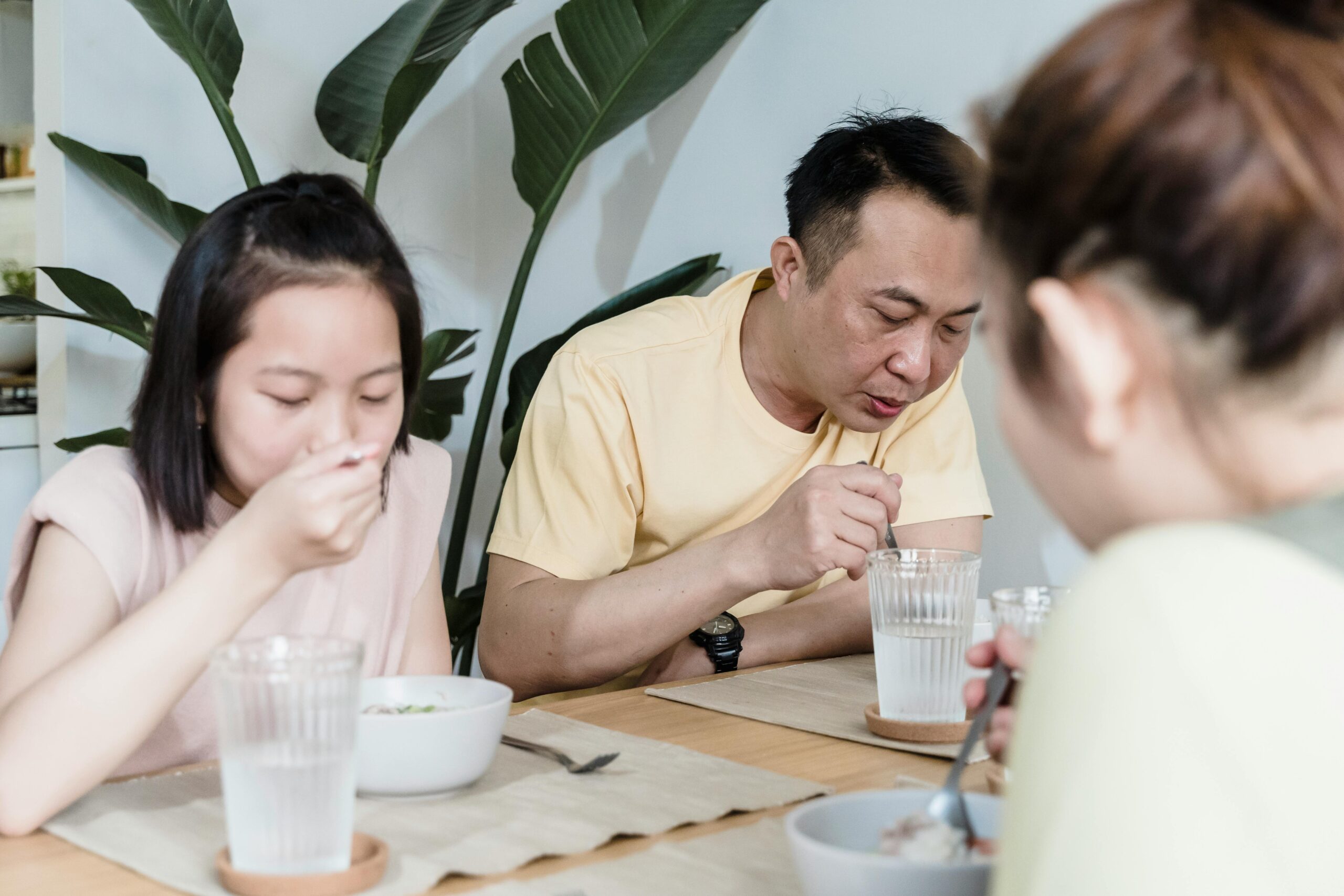
Compared to Indian eating habits, Filipino cuisine is less spicy and features a different set of spices and flavorings. Filipino eating habits also prioritize rice as a staple food, while Indian cuisine commonly features breads like naan and roti. Family-style dining is also less common in Indian culture, where meals are typically served on individual plates.
In comparison to Western cuisine, Filipino eating habits have a preference for sweet and savory combinations, use more sauces and condiments, and are more likely to include a variety of organ meats in dishes. Western cuisine, on the other hand, commonly features grilled or roasted meats, potatoes, and salads. Additionally, Western table etiquette emphasizes individual portions and eating with utensils like knives, forks, and spoons.
Types of Filipino eating habit
Use of utensils
Filipinos typically use spoons and forks for their meals, with knives only used for cutting food into smaller pieces. The spoon is used to scoop rice and other dishes, while the fork is used to spear and pick up food. The dominant hand is used to hold the utensils, with the spoon held in the right hand and the fork held in the left hand.
Filipinos also have a specific way of using their utensils. For example, when eating with a spoon and fork, they use the spoon to scoop food onto the fork, then use the fork to lift the food to their mouth. They may also use the spoon to push food onto the fork if necessary.
Unlike in Western countries, Filipinos do not use knives to cut their food while eating. Instead, they use the side of the fork to cut any large pieces of food into smaller pieces or use a separate knife and fork to cut the food before transferring it to their plate.
Overall, the use of utensils in Filipino culture reflects the importance of sharing food and communal dining. The use of spoons and forks also allows for easier scooping and sharing of dishes, while the preference for the dominant hand reflects the cultural significance of respecting elders and guests by using the right hand for eating.
Sharing of food
Sharing food is an important aspect of Filipino culture and is often done during meals. Filipinos generally prefer to eat family-style, where all dishes are placed in the center of the table and everyone serves themselves from the same plates.
During meals, it is common for Filipinos to offer their guests or family members food first before they serve themselves. This practice is called “pagmamano,” which is a form of respect towards elders or people of higher status. Filipinos also believe that food tastes better when shared, and that sharing food brings people closer together.
Another unique way of sharing food in Filipino culture is through the “boodle fight” or “kamayan” style of eating. This involves eating with bare hands and using banana leaves as plates, with all dishes arranged in the center of the table. The idea behind this style of eating is to promote camaraderie and equality among diners, regardless of their social status.
In addition to sharing food during meals, Filipinos also have a tradition of bringing home food or “pasalubong” for their loved ones. This can be anything from a simple snack or a specialty dish from a certain region, and is seen as a gesture of love and care towards family members who are not present at the meal.
Overall, the practice of sharing food in Filipino culture reflects the strong sense of community and hospitality that is deeply ingrained in the country’s traditions.
Family-style dining
Family-style dining is a common practice in Filipino culture, where all dishes are placed in the center of the table and everyone serves themselves from the same plates. This type of dining encourages sharing and creates a communal atmosphere during meals.
In a Filipino household, family-style dining is seen as a way of bringing the family together and strengthening bonds. It is also a way of showing hospitality to guests, as they are often offered to share in the same dishes as the family.
Filipino family-style dining typically involves a variety of dishes, including a staple carbohydrate such as rice, along with several meat, vegetable, and seafood dishes. The dishes are usually arranged in a way that is aesthetically pleasing, with the larger or more important dishes placed at the center of the table.
During family-style dining, diners use utensils such as spoons and forks to serve themselves from the shared plates. It is considered polite to take only a small amount of each dish so that there is enough food to go around. Diners may also pass the dishes around the table to ensure that everyone has the opportunity to try each dish.
Overall, family-style dining in Filipino culture is a reflection of the country’s strong sense of community and hospitality. It is a way of bringing people together and creating a warm and welcoming atmosphere during meals.
Kamayan Style Eating
Kamayan-style eating is a traditional way of eating in the Philippines that involves using bare hands to eat food, typically on a banana leaf-covered table. Kamayan is a Tagalog word that means “to eat with your hands.”
This style of eating is often done during special occasions or gatherings, such as fiestas or celebrations, and is a way of promoting camaraderie and equality among diners, regardless of their social status.
The dishes are arranged in the center of the table, with rice being the main staple, along with various meats, vegetables, and seafood. The banana leaves serve as plates and are used to hold the different dishes.
To eat kamayan-style, diners typically wash their hands thoroughly before starting the meal. They then use their right hand to scoop rice and other dishes, while using their left hand to hold the banana leaf plate. The food is then brought to the mouth and eaten directly with the hands.
Kamayan-style eating is often accompanied by a communal spirit, where diners are encouraged to share and pass dishes around the table. It is also believed that eating with one’s hands allows for a better appreciation of the food’s taste and aroma.
Overall, kamayan-style eating is a unique and traditional way of dining in the Philippines that reflects the country’s strong sense of community and hospitality.
Rice as part of most meals
Rice is an integral part of Filipino cuisine and is consumed with almost every meal. It is a staple food that is widely available, affordable, and can be prepared in many ways.
In Filipino culture, rice is considered a symbol of life and prosperity, and is often served as a sign of hospitality to guests. It is also seen as a unifying food that brings people together, as it is typically shared family-style during meals.
Rice is prepared in many different ways in Filipino cuisine, including steaming, boiling, and frying. It is often served plain, or mixed with other ingredients such as garlic, onion, or coconut milk. Other dishes such as adobo, sinigang, and kare-kare are also commonly served with rice.
Filipinos typically eat rice for breakfast, lunch, and dinner, and sometimes as a snack. It is not uncommon for Filipinos to eat rice with other dishes, such as fried eggs and meat for breakfast, or stir-fried vegetables and seafood for lunch and dinner.
Overall, the importance of rice in Filipino cuisine reflects the country’s strong agricultural heritage and the role of rice as a cultural symbol of unity, hospitality, and prosperity.
Appreciation for Sauces and Condiments
Filipinos have a strong appreciation for sauces and condiments, which play an important role in the flavor and enjoyment of their meals. These sauces and condiments can be used to enhance the taste of various dishes, from fried meat to vegetables, and are often served on the side for diners to add to their liking.
One of the most popular condiments in Filipino cuisine is soy sauce, which is typically used as a dipping sauce for meat or seafood dishes. It is often mixed with vinegar, garlic, and other spices to create a flavor profile that complements the dish.
Another popular sauce is banana ketchup, a sweet and tangy sauce made from mashed bananas, vinegar, and spices. It is commonly used as a condiment for fried meat or as a dip for French fries.
Other condiments commonly used in Filipino cuisine include fish sauce, chili garlic sauce, and vinegar, which are often used in marinades, dips, and dressings. Vinegar, in particular, is a staple in many Filipino households and is used not only as a condiment but also as a food preservative and cooking ingredient.
The appreciation for sauces and condiments in Filipino cuisine reflects the country’s love for bold and complex flavors. It is a way of enhancing the taste of dishes and making them more enjoyable to eat. The variety of sauces and condiments available in Filipino cuisine also reflects the country’s rich culinary heritage and diverse cultural influences.
Sweet and Savory Combinations
Filipinos have a unique attraction to sweet and savory combinations in their cuisine, which is often reflected in many traditional Filipino dishes. This flavor profile can be found in various dishes, ranging from main courses to snacks and desserts.
One classic example of this is the popular Filipino dish, adobo, which is made with savory ingredients like soy sauce, vinegar, and garlic, and balanced with a slightly sweet taste from the addition of sugar or coconut milk. Another popular dish, tocino, is a sweet and savory breakfast meat made by marinating pork in a mixture of sugar, salt, and spices.
In Filipino snacks and desserts, the combination of sweet and savory flavors can also be found. A popular snack is champorado, a rice porridge made with cocoa powder and sugar, served with dried fish on the side. Another favorite is bibingka, a rice cake with a sweet, buttery taste, often topped with salty cheese.
Filipinos also have a penchant for dipping savory snacks like lumpia (spring rolls) or chicharon (fried pork rinds) into sweet sauces like banana ketchup or sweet chili sauce, creating a unique blend of flavors.
The Filipino attraction for sweet and savory combinations reflects the country’s love for bold and balanced flavors. It is a way of creating a multi-dimensional taste experience that satisfies both sweet and savory cravings. This unique flavor profile is a significant aspect of Filipino cuisine and is part of what makes it so special and enjoyable.
FAQ: Everyday Filipino Eating Habits
1. Why do Filipinos eat rice with almost every meal?
Rice is affordable, filling, and deeply rooted in Filipino culture. It balances salty, sour, and savory dishes and provides energy for daily work.
2. Why are Filipino dishes often salty or savory?
Traditional Filipino cooking uses salt, soy sauce, patis, and bagoong for preservation and flavor. These strong flavors pair well with rice.
3. Why do Filipinos love ulam with sabaw?
Soupy dishes like sinigang, nilaga, and tinola stretch meals, keep food warm, and make rice easier to eat.
4. Why do Filipinos eat multiple small meals a day?
Many Filipinos follow a “3 meals + 2 snacks” pattern because of long work hours, early mornings, and the cultural habit of merienda.
5. Why is sharing food important in Filipino culture?
Food is tied to hospitality and community. Sharing meals strengthens family bonds and reflects the Filipino value of bayanihan.
6. Why do Filipinos love fried food?
Fried dishes like pritong isda, longganisa, and fried chicken are quick to cook, flavorful, and pair well with rice.
7. Why are condiments always on the Filipino table?
Vinegar, soy sauce, patis, and chili enhance flavor and allow each person to adjust taste to their preference.
8. Why do Filipinos often have leftovers in the fridge?
Leftovers are common because Filipino households cook in large batches. Many dishes like adobo and menudo taste better the next day.