
- Optimizing fridge space helps prevent food waste—an issue affecting millions of Filipino households.
- A clean, organized refrigerator reduces electricity consumption and keeps food safer for longer.
- Simple habits like FIFO, labeling, and weekly checks dramatically improve freshness and hygiene.
- Pinoy‑friendly hacks—like vinegar cleaning and charcoal deodorizing—make maintenance affordable.
The refrigerator is the quiet hero of every Filipino household. Whether you’re a sari‑sari store owner storing cold cuts for sandwiches, an OFW supporting family back home, or a busy parent juggling baon, leftovers, and weekly palengke runs—your fridge works overtime.
But let’s be honest: Pinoy fridges get messy fast. Between stacked Tupperware of extra rice, jars of bagoong, half‑used condiments, and plastic bags of gulay, it’s easy for things to get lost, spoiled, or smelly.
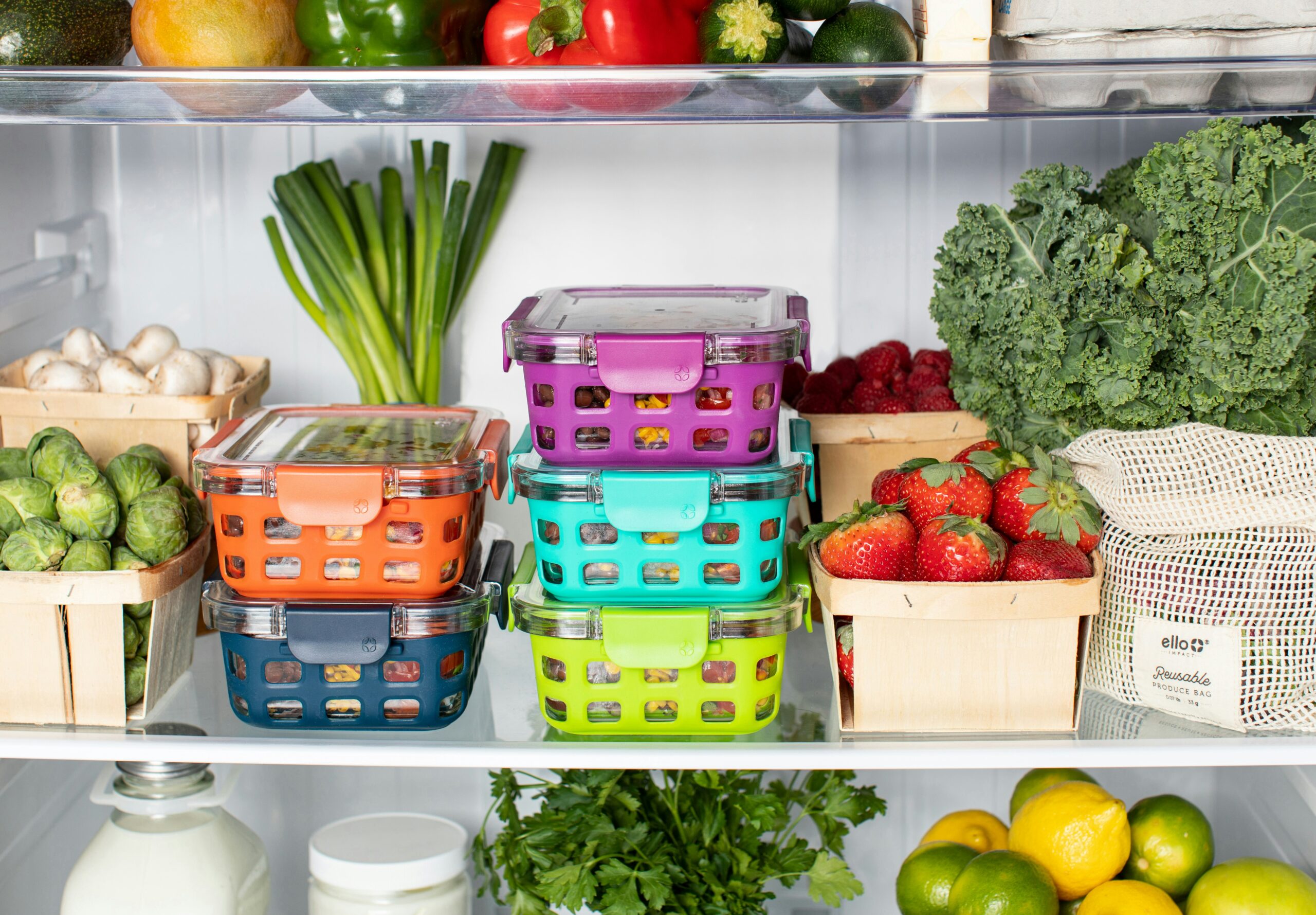
Keeping your fridge clean and organized isn’t just about aesthetics. It helps:
- Prevent cross‑contamination
- Reduce food waste (a major issue in the Philippines—millions still experience hunger)
- Lower electricity bills by improving airflow
- Extend the life of your groceries
This guide walks you through a practical, step‑by‑step system designed for real Filipino households.
I. Introduction: The heart of the Filipino kitchen
Filipino fridges are unique. We love stocking up for handaan, keeping multiple sawsawan options, and saving leftovers because “sayang.” But this habit often leads to overcrowding, forgotten food, and unpleasant odors.
According to global food waste research, household waste is a major contributor to overall food loss, with consumption‑level waste being one of the biggest sources worldwide. In the Philippines, millions still experience involuntary hunger, making proper food storage even more important.
Optimizing fridge space and cleanliness helps ensure food stays fresh, safe, and budget‑friendly.
II. Phase 1: The deep clean (the “general cleaning” guide)
What you need to prepare
- Vinegar
- Baking soda
- Clean cloths or microfiber towels
- Masking tape and marker
- Warm water
- Small basin
Step 1: The great purge
Start by removing everything from the fridge. This is your chance to check what’s still good and what needs to go.
Check “Best Before” dates on imported sauces, spreads, and condiments. Many Filipino households keep bottles of oyster sauce, chili garlic, or salad dressing for months without checking freshness.
Apply the Rule of Three Days for leftovers. If the adobo, sinigang, or menudo has been sitting for more than three days, it’s safer to discard it. This reduces the risk of foodborne illness.
Step 2: Safe power down
Unplug the fridge before cleaning. This prevents electrical hazards and allows the freezer to defrost naturally. For sari‑sari store owners or home‑based bakers, schedule this during low‑stock days to avoid spoilage.
Step 3: The natural cleaning solution
Mix one part vinegar with one part water. This budget‑friendly disinfectant cuts through grease and neutralizes odors.
For stubborn patis or bagoong stains, sprinkle baking soda on the area and scrub gently. Baking soda is a natural deodorizer and abrasive cleaner—perfect for Pinoy kitchens.
III. Phase 2: Strategic organization (Pinoy style)
Once your fridge is clean, it’s time to organize it in a way that fits Filipino cooking habits.
The top shelf: Ready-to-eat
This is where you place leftovers, cooked ulam, and ready‑to‑eat items. Use clear, stackable containers so you can see everything at a glance. This reduces the chance of food being forgotten and spoiling.
Example: A tricycle driver prepping baon for the week can store cooked rice and ulam in portioned containers for easy reheating.
The door shelves: Condiment kingdom
The door is the warmest part of the fridge, so only store items that don’t spoil easily:
- Toyo
- Suka
- Banana ketchup
- Jarred bagoong
- Hot sauce
Group similar items together so you don’t end up with three half‑empty bottles of ketchup.
The crisper: Gulay and fruits
Separate leafy greens from moisture‑heavy produce like tomatoes or calamansi. Excess moisture causes gulay to rot faster.
Pro tip: Line the crisper with paper towels to absorb humidity. Replace weekly.
The freezer: Meat and seafood
Store raw meat and seafood in sealed containers or double‑bagged plastic to prevent the entire freezer from smelling like a wet market.
For small business owners selling frozen goods, label each pack with the date of purchase to maintain freshness.
IV. Phase 3: Odor control and maintenance
Neutralizing the “amoy-ref”
Even a clean fridge can develop odors, especially with strong Filipino ingredients like daing, tuyo, or bagoong.
Two affordable deodorizing tricks:
- Activated charcoal: Place a small piece in a corner to absorb odors.
- Coffee grounds: Dried barako grounds work wonders as a natural deodorizer.
Weekly habit loop
To keep your fridge fresh long‑term, build these habits:
The Pre-Palengke Check: Before grocery shopping, remove old items, wipe spills, and take inventory. This prevents overbuying and reduces waste.
Wipe spills immediately: Sticky sauces like oyster sauce or banana ketchup can attract bacteria and cause odors.
V. Pro-tips for the wais homeowner
Labeling
Use masking tape to label containers with the date stored. This helps you track freshness and avoid spoilage.
Airflow
Don’t overstuff the fridge. Proper airflow keeps temperatures stable and reduces electricity consumption. Overloaded fridges force the compressor to work harder, increasing your monthly bill.
The FIFO rule
FIFO stands for “First In, First Out.” Bring older items to the front so they get used first. This simple system is used in restaurants and sari‑sari stores to minimize waste.
Quick reference table: What goes where?
| Fridge Area | Best Items to Store | Why It Works |
|---|---|---|
| Top Shelf | Cooked food, leftovers, ready‑to‑eat items | Most stable temperature; easy access prevents spoilage |
| Door Shelves | Condiments, sauces, drinks | Warmest area; ideal for non‑perishables |
| Crisper | Leafy greens, fruits, vegetables | Designed for humidity control |
| Freezer | Meat, seafood, long‑term storage | Keeps food safe for months when sealed properly |
Common challenges and solutions
Challenge: “My fridge always smells.”
Solution: Use charcoal or coffee grounds, clean spills immediately, and store strong‑smelling food in airtight containers.
Challenge: “I keep forgetting what’s inside.”
Solution: Use clear containers, label everything, and do a weekly inventory.
Challenge: “My gulay wilts too fast.”
Solution: Keep greens dry, use paper towels in the crisper, and avoid mixing moisture‑heavy produce.
Realistic Filipino examples
Example 1: The sari-sari store owner
Aling Nena stocks cold cuts, hotdogs, and drinks. By labeling freezer items and organizing by date, she reduces spoilage and increases profit.
Example 2: The OFW supporting family
An OFW in Dubai teaches her family back home to follow FIFO and weekly checks, helping them stretch their grocery budget.
Example 3: The freelancer working from home
A home‑based graphic designer preps meals for the week and uses stackable containers to save time and avoid food waste.
Conclusion: A cleaner fridge, a smarter home
Optimizing fridge space and cleanliness isn’t just about organization—it’s about saving money, reducing waste, and keeping your family healthy. With simple habits and Pinoy‑friendly hacks, you can transform your fridge into a clean, efficient, and wais household tool.
Start today. Your future self—and your kuryente bill—will thank you.
FAQ: How to Optimize Fridge Space and Cleanliness
1. Why do Filipino fridges get messy easily?
Pinoy households often store leftovers, multiple condiments, and gulay from weekly palengke runs. This leads to overcrowding, forgotten food, and odors.
2. How often should I deep-clean my fridge?
Do a general cleaning every 2–4 weeks. Weekly mini-checks help prevent spills, odors, and expired items.
3. What natural cleaning solution works best?
A 1:1 mixture of vinegar and water removes stains and odors. Baking soda helps lift stubborn patis or bagoong spills.
4. How do I prevent “amoy-ref”?
Use activated charcoal or dried coffee grounds. Store strong-smelling food in airtight containers and wipe spills immediately.
5. What’s the best way to organize leftovers?
Use clear, stackable containers and label them with dates. Place them on the top shelf where temperatures are stable.
6. How do I keep gulay fresh longer?
Separate leafy greens from moisture-heavy produce. Line the crisper with paper towels to absorb humidity.
7. Why is airflow important inside the fridge?
Proper airflow keeps temperatures stable and reduces electricity consumption. Overstuffing forces the compressor to work harder.
8. What is the FIFO rule and why is it important?
FIFO means “First In, First Out.” Bring older items to the front so they get used first, reducing food waste.